
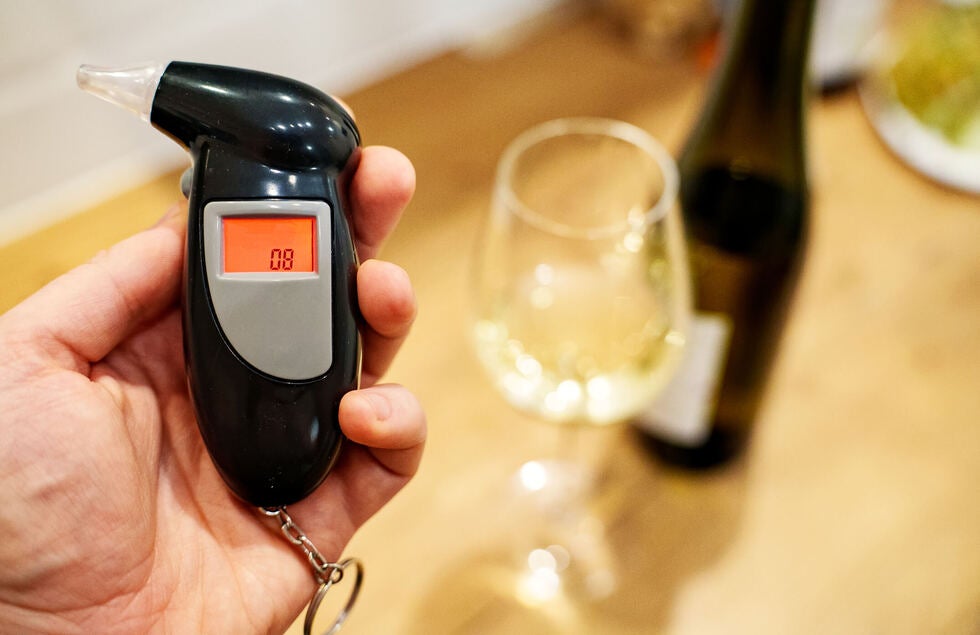
Driving under the influence in Nevada is treated as a serious offense, with strict regulations in place to reduce drunk driving and protect public safety. Nevada law defines how much alcohol a person may legally consume before reaching a level of intoxication that makes it unlawful to operate a motor vehicle. The legal alcohol limit is determined by blood alcohol concentration (BAC), and the penalties for exceeding it include fines, jail time, and possible suspension or revocation of a driver's license. The state sets different thresholds depending on the driver's license type and age.
For most drivers who are at least 21 years old, the legal alcohol limit in Nevada is a BAC of 0.08 percent. For commercial drivers, the limit is stricter at 0.04 percent. For drivers under 21, Nevada enforces a zero-tolerance policy, making it unlawful to drive with a BAC of 0.02 percent or higher.
Understanding these limits, as well as the penalties for exceeding them, is essential for anyone who drives in Las Vegas or anywhere else in the state.
Blood Alcohol Concentration Levels in Nevada
Blood alcohol concentration is the measure of alcohol in a person's system, expressed as a percentage. Nevada law establishes three primary BAC thresholds:
- For drivers aged 21 and older, the maximum BAC allowed is 0.08 percent. Even a small amount over this limit can result in a DUI arrest.
- For commercial drivers, the BAC limit is reduced to 0.04 percent due to the higher responsibility that comes with operating larger vehicles and transporting passengers or cargo.
- For underage drivers, Nevada enforces a zero-tolerance standard. Anyone under 21 with a BAC of 0.02 percent or higher can face DUI charges, even if the driver shows no outward signs of impairment.
These BAC limits serve as a legal regulation, but impairment can occur even at lower levels of alcohol consumption. A car accident or erratic driving may lead to multiple DUI offenses, and an offender can still face a criminal sentence and severe penalty if law enforcement believes alcohol or drugs have compromised safe driving ability. As part of the consequences, the court may order a treatment program, and working with a defense firm is often crucial for navigating the impact of such offenses.
Methods Used to Measure Alcohol Levels
Law enforcement in Nevada uses several methods to determine blood alcohol concentration.
- The breath test, commonly performed using a breathalyzer device, measures the amount of alcohol in exhaled air and converts it into a BAC reading. It is the most frequently used method because it is quick and non-invasive.
- The blood test is considered more accurate and measures the direct alcohol content in a person's bloodstream. Blood tests are often used if a breath test is unavailable, if the driver is unconscious, or if the BAC reading is disputed in court.
- The urine test is less common and is usually only used when other testing methods are unavailable.
Each of these testing methods is admissible in Nevada courts, and refusal to submit to a test can carry serious consequences under the state's implied consent law.
Nevada's Implied Consent Law
By accepting a Nevada driver's license, all drivers automatically agree to submit to a chemical test if law enforcement suspects them of driving under the influence of alcohol or another substance. This is known as implied consent, reflecting the state's effort to maintain control and ensure road safety.
If a driver refuses to take a test, they face immediate license suspension. For a first refusal, the suspension lasts for one year. For a second refusal within a seven-year period, the suspension increases to three years. During this process, the driver has the opportunity to request a hearing; however, the consequences of refusal can still be severe.
Police officers may obtain a warrant to use reasonable force to conduct a blood draw if refusal occurs, providing proof of intoxication that can be presented in court. Refusal does not prevent DUI offenses from being filed and can be introduced as evidence of guilt in any legal matter.
For example, an offender sitting behind the wheel who declines testing may still be required to install an ignition interlock device (IID) as a condition of regaining their driving privileges. In many cases, a defense team will carefully review every detail, including whether the officer followed proper procedures or answered the driver's questions about their rights. Having the right legal name associated with court filings, as well as reliable transportation and access to a defense attorney by phone, can significantly impact how the case is resolved.
Factors That Influence Blood Alcohol Concentration
The amount of alcohol it takes to reach the legal limit depends on many rules, but one key factor is that every person's body reacts differently to alcohol. Body weight, gender, the rate at which drinks were consumed, whether food was eaten before or during driving preparation, and individual metabolism all influence how alcohol affects the body's blood concentration.
Because of these differences, two people may follow the same course of alcohol consumption but show very different BAC levels when tested with a breathalyzer or blood analysis. For DUI purposes, this makes it dangerous to assume a certain number of drinks will keep a driver below the legal limit. Law enforcement and prosecutors may still pursue DUI charges if the driver's behavior behind the wheel of a vehicle shows impairment, even without exceeding the statutory BAC threshold.
In addition to potential fines and license suspensions, such violations carry long-term consequences that extend beyond the courtroom. Seeking legal consultation early on can make a significant difference in how these charges are resolved.
DUI Charges Without Exceeding the Limit
It is important to note that exceeding the BAC threshold is not the only way to face DUI charges in Nevada. Even if a driver's BAC is below the legal limit, they may still be arrested and charged if law enforcement has evidence of impairment. This applies to both adults and underage drivers, who are subject to Nevada's zero-tolerance policy on alcohol consumption for roadway safety.
Evidence can include poor performance on a field sobriety test, erratic traffic behavior such as weaving or speeding, slurred speech, bloodshot eyes, or the smell of alcohol or drugs. Refusal to submit to testing under the state's implied consent law can also lead to immediate license revocation, even before any criminal convictions are entered.
Under Nevada DUI Laws, any level of impairment—whether caused by alcohol, drugs, or a combination—can result in prosecution. As part of the process, courts may require attendance at treatment programs, and officers may use reasonable force to secure chemical testing when needed.
Penalties for a First DUI Offense in Nevada
A first DUI offense in Nevada is generally classified as a misdemeanor, though certain circumstances can cause it to be treated more severely. Penalties may include up to six months in jail or up to 96 hours of community service. A fine typically ranges from $400 to $1,000 plus additional court costs. The driver's license is suspended for 185 days, although a restricted license with an ignition interlock device may be available to maintain some control over driving privileges.
First-time offenders are also required to attend a victim impact panel and complete DUI education courses. They may be ordered to install an ignition interlock device on their vehicle at their own expense. These requirements are standard in DUI cases, as courts consider the level of impairment, the condition of the driver, and the surrounding facts when imposing DUI charges.
Although a first offense is not a felony, the penalties remain significant, and anyone charged should take them seriously. Having the right defense strategy, supported by evidence such as the results of a breath test or witness testimony, can significantly affect the outcome. In every case, ensuring that the defendant's name and record are accurately reflected in court documents is essential for fair proceedings.
Penalties for a Second DUI Offense
If a driver is convicted of DUI for a second time within seven years, the penalties increase significantly. An arrest for a repeat offense often results in mandatory jail time ranging from 10 days to six months, along with fines between $750 and $1,000. The driver's license is suspended for one year, with mandatory ignition interlock installation on any vehicle they operate.
Second offenders must also attend a treatment program, complete additional DUI education, and face harsher sentencing if aggravating factors are present. These may include a high amount of alcohol or marijuana in the system, elevated blood test results, or accidents that compromise roadway safety.
In Las Vegas and throughout Nevada, the law treats repeat DUI offenses as a serious threat to people and public transportation. The process of defending against such charges can be complex, and penalties become more severe when injuries or property damage are involved.
Felony DUI Convictions
A third DUI conviction within seven years is classified as a felony in Nevada. Penalties include imprisonment for one to six years in state prison, a fine of up to $5,000, and a three-year revocation of the right to operate a motor vehicle. Courts may also order mandatory treatment programs as part of the sentencing course.
If a DUI results in serious injury or death, it is automatically charged as a felony regardless of prior history. Sentences for DUI causing injury or death range from two to 20 years in prison, with fines between $2,000 and $5,000. Prosecutors often emphasize the devastating effect of impaired driving when multiple vehicles or victims are involved.
These felony convictions carry lifelong consequences, including a permanent criminal record that can affect employment, housing, and personal freedoms. A refusal to submit to testing under Nevada's implied consent law may also be introduced in court, influencing the outcome of the case. Due to the seriousness of these charges, the use of a skilled DUI attorney is crucial to ensure that factors such as food, medication, or other external influences that may have affected test results are thoroughly examined in the defense strategy.
Additional Consequences of DUI Convictions

Beyond jail time, fines, and license suspensions, DUI convictions come with other serious consequences.
Drivers may be required to install an ignition interlock device, which requires them to blow into a breathalyzer before starting the vehicle. Attendance at treatment programs and counseling sessions may also be required. Insurance premiums can rise significantly, and in some cases, policies may be canceled altogether.
A DUI conviction also creates a permanent criminal record that can affect employment opportunities, professional licenses, and travel restrictions.
Defenses Against DUI Charges
Every DUI case is unique, and a strong defense depends on the circumstances. A skilled DUI lawyer in Las Vegas can help evaluate common defense strategies, such as challenging the accuracy of breathalyzer or blood test results, questioning whether law enforcement followed proper procedures, and investigating whether medical conditions or external factors could have caused false test results.
Attorneys may also challenge the legality of the traffic stop itself. If the officer lacked reasonable suspicion to make the stop, evidence obtained afterward may be inadmissible in court.
The Role of a DUI Attorney in Nevada
Facing a DUI charge in Nevada is overwhelming, but skilled legal representation can make a significant difference. An experienced DUI attorney can examine the facts of the case, challenge unreliable evidence, negotiate reduced charges, and work toward minimizing penalties.
Law firms like Gallo Criminal Defense Las Vegas specialize in protecting clients' rights and guiding them through the legal process. They ensure that every step, from the initial arrest to court proceedings, is handled with a strategy designed to achieve the best possible outcome.
The Importance of Knowing Nevada DUI Laws
Understanding the legal alcohol limit in Nevada and the consequences of exceeding it is essential for anyone who drives in the state. With Las Vegas's vibrant nightlife and tourism industry, DUI cases are common, and law enforcement maintains strict enforcement of DUI laws to protect public safety.
Staying within legal limits, avoiding drinking and driving altogether, and being aware of how substances affect driving ability are crucial for preventing accidents, injuries, and life-changing criminal charges.
Conclusion
The legal alcohol limit in Nevada is 0.08 percent for most adult drivers, 0.04 percent for commercial drivers, and 0.02 percent for underage drivers. Exceeding these limits, or driving while impaired by alcohol or drugs even at lower levels, can result in severe consequences, including fines, license suspension, jail time, and a permanent criminal record.
DUI charges carry more than legal penalties—they affect careers, personal lives, and future opportunities. For anyone facing a DUI in Las Vegas or elsewhere in Nevada, the guidance of a skilled defense attorney is invaluable. Gallo Criminal Defense Las Vegas is dedicated to defending clients, protecting their rights, and navigating the complexities of Nevada's DUI laws.
Frequently Asked Questions
1. Can I get a DUI in Nevada if I'm using marijuana or prescription drugs instead of alcohol?
Yes. Nevada DUI laws apply to any substance—alcohol, marijuana, or prescription drugs—that impairs safe driving. Even with a valid prescription, impairment can still result in DUI charges.
2. How long will a DUI conviction stay on my record in Nevada?
A DUI conviction remains on your criminal record permanently. However, for sentencing purposes, prior DUI offenses are generally considered if they occurred within the past seven years.
3. Is it possible to reduce a DUI charge to reckless driving in Nevada?
Yes. In some DUI cases, especially for first-time offenders, defense attorneys may negotiate with prosecutors to reduce charges to reckless driving. This depends on the case's circumstances, such as BAC levels and involvement in the accident.
4. What happens if I'm arrested for DUI while visiting Las Vegas from another state?
Out-of-state drivers face the same Nevada DUI penalties, and convictions are often reported to their home state's DMV. This can result in license suspension and other penalties in both states.
5. Do I have the right to refuse field sobriety tests in Nevada?
Yes. Field sobriety tests are voluntary, but refusing them may lead officers to rely on other evidence, such as a breath or blood test. Refusal of chemical tests (breath, blood, or urine) triggers penalties under Nevada's implied consent law.
6. Will I need an ignition interlock device (IID) after a DUI conviction?
In many cases, yes. Nevada courts often require an IID, even for first-time offenders, as a condition of regaining driving privileges. The device prevents the vehicle from starting if alcohol is detected on the driver's breath.
7. Can underage drivers face jail time for DUI in Nevada?
Yes. While underage DUI is subject to Nevada's zero-tolerance law (0.02% BAC or higher), penalties can include license suspension, fines, mandatory DUI education, and, in some cases, jail time depending on the severity of the offense.
8. How do DUI checkpoints work in Nevada?
Law enforcement may set up DUI checkpoints to stop vehicles at random. While controversial, they are legal in Nevada if conducted in accordance with specific rules. Drivers must stop when directed, but still retain constitutional rights during the stop.
9. Does having food in my system reduce my chances of getting a DUI?
Food may slow alcohol absorption, but it does not prevent intoxication. Drivers may still exceed BAC limits or show impairment, leading to arrest and DUI charges.
10. How much does hiring a DUI attorney in Nevada typically cost?
The cost varies based on the case's complexity, the attorney's experience, and whether the case goes to trial. On average, DUI defense can range from a few thousand dollars to significantly more for felony DUI cases.

Comments
There are no comments for this post. Be the first and Add your Comment below.
Leave a Comment