
Being arrested can be a stressful and confusing experience, especially for individuals unfamiliar with Nevada's criminal justice system. After an arrest, law enforcement officers may question the suspect, collect evidence, and begin building a criminal case. Understanding your rights and speaking with a criminal defense lawyer in Las Vegas as soon as possible can help protect your legal position and prevent mistakes that could affect your case.
The criminal justice process in Nevada follows specific legal procedures that determine how charges are filed, how cases move through the courts, and what options are available to defendants.

Step 1: The Arrest
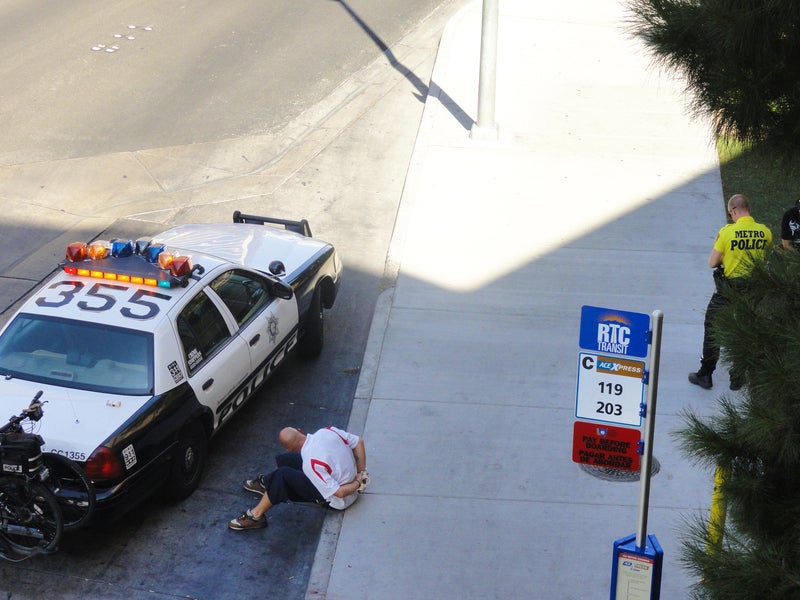
An arrest occurs when law enforcement officers take a person into custody based on probable cause that a crime has been committed. In Las Vegas, arrests may occur in several ways:
-
Police officers witness a crime
-
Officers receive reports from witnesses
-
Evidence connects a suspect to a criminal offense
-
A judge issues an arrest warrant
During an arrest, officers may search the individual and collect evidence related to the alleged offense.
Step 2: Booking Process
After an arrest, the suspect is usually transported to a local detention facility such as the Clark County Detention Center.
The booking process typically includes:
-
Recording personal information
-
Taking fingerprints
-
Photographing the suspect
-
Documenting the alleged charges
-
Placing the individual in holding
Depending on the charges, the person may remain in custody until a bail hearing occurs.
Step 3: Bail and Release
In many criminal cases, individuals may be eligible for bail. Bail is a financial guarantee that allows the defendant to be released while awaiting court proceedings.
Bail amounts depend on several factors including:
-
The seriousness of the alleged crime
-
Criminal history
-
Risk of flight
-
Threat to public safety
A criminal defense attorney in Las Vegas can often request a bail reduction hearing or argue for release under certain conditions.
Step 4: Arraignment Hearing
The arraignment is typically the first court appearance after an arrest. During this hearing:
-
The judge formally presents the charges
-
The defendant enters a plea (guilty, not guilty, or no contest)
-
Future court dates are scheduled
Many defendants plead not guilty at arraignment so their attorney can review evidence and prepare a defense strategy.
Step 5: Investigation and Evidence Review
After arraignment, both the prosecution and defense review evidence related to the case.
This may include:
-
Police reports
-
Surveillance footage
-
Witness statements
-
forensic evidence
-
expert testimony
An experienced criminal defense lawyer examines the evidence carefully to identify legal weaknesses or procedural errors.
Step 6: Negotiations or Plea Agreements
In some cases, prosecutors may offer plea agreements to resolve the case without going to trial. Plea negotiations may result in:
-
Reduced charges
-
Lower penalties
-
Alternative sentencing options
A defense attorney evaluates whether accepting a plea agreement is in the client's best interest.
Step 7: Trial (If Necessary)
If the case cannot be resolved through negotiations, it may proceed to trial. During a criminal trial:
-
Both sides present evidence
-
Witnesses testify
-
Attorneys present legal arguments
-
A judge or jury determines the verdict
Trials require detailed legal preparation and strategic defense arguments.
Protecting Your Rights After an Arrest
Anyone arrested in Las Vegas should remember the following rights:
-
The right to remain silent
-
The right to legal representation
-
The right to a fair trial
Exercising these rights and consulting with a criminal defense lawyer can significantly impact the outcome of a case.
Why Legal Representation Is Important
Criminal charges can lead to serious consequences including jail time, fines, probation, and a permanent criminal record. Early legal representation allows attorneys to:
-
review the evidence
-
protect constitutional rights
-
challenge unlawful searches
-
negotiate with prosecutors
A strong legal defense can sometimes lead to reduced charges or case dismissals.

Frequently Asked Questions
What should I do immediately after being arrested?
Remain calm and avoid answering questions from law enforcement without an attorney present. Contacting a criminal defense lawyer as soon as possible helps protect your rights.
Can charges be dropped after an arrest?
Yes. In some cases, prosecutors may dismiss charges if evidence is weak or if legal errors occurred during the investigation.
How long does a criminal case take in Nevada?
The timeline varies depending on the complexity of the case, but many criminal cases take several months to resolve.
Speak With a Criminal Defense Lawyer in Las Vegas
If you or a loved one has been arrested in Las Vegas, obtaining legal guidance quickly is important. An experienced criminal defense lawyer can explain your rights, evaluate the charges, and begin building a defense strategy.
Contact a qualified attorney as soon as possible to discuss your situation and learn about your legal options.