
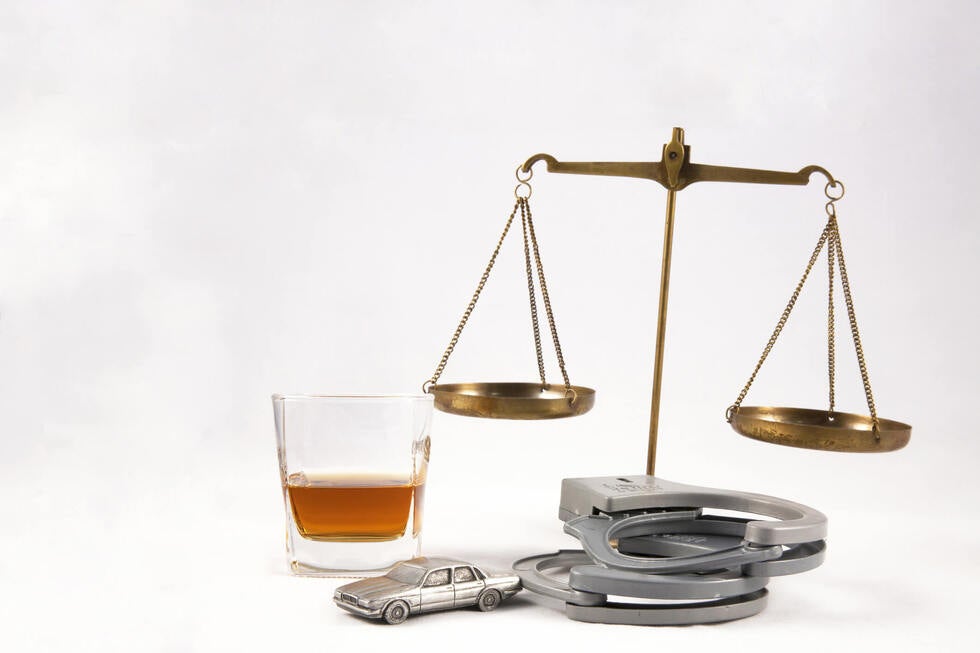
Driving under the influence (DUI) in Nevada is a serious criminal offense governed primarily by Nevada Revised Statutes (NRS) Chapter 484C. From the moment of arrest to trial and sentencing, strict laws protect public safety and hold offenders accountable. In Las Vegas, where nightlife and tourism are prominent, DUI cases are common yet complex, requiring experienced legal defense.
If you are facing a DUI arrest in Clark County, understanding your rights, the role of the Nevada Department of Motor Vehicles (DMV), and the legal process is essential. This guide from Gallo Criminal Defense Las Vegas breaks down the DUI process, from arrest to potential trial, and how expert legal help can protect your future.
DUI Investigations Typically Start With a Traffic Stop and Field Tests
Most DUI arrests begin with a traffic stop when law enforcement observes signs of impairment such as reckless driving, weaving, or failure to obey traffic laws. Officers will request your driver's license, registration, and proof of insurance while assessing signs of intoxication, including:
- Slurred speech
- Bloodshot eyes
- Odor of alcohol
- Delayed responses
- Presence of open containers in the vehicle
If suspicion arises, officers may administer field sobriety tests such as the walk-and-turn, one-leg stand, or horizontal gaze nystagmus tests. Although these tests help officers determine impairment, they are not foolproof and can be legally challenged.
Note: Refusing to perform field sobriety tests is allowed and does not carry a penalty, but refusal can be used as evidence against you in court. (See State v. Wright, 130 Nev. 470 (2014).
Chemical Testing Confirms Impairment Through BAC Measurements
After field tests, drivers are asked to submit to chemical testing to measure Blood Alcohol Concentration (BAC). Nevada law prohibits operating a vehicle with a BAC of:
- 0.08% or higher for regular drivers
- 0.04% or higher for commercial drivers
- 0.02% or higher for drivers under 21
Testing may include breath, blood, or urine tests. Under Nevada's implied consent law (NRS 484C.440), refusal to submit to chemical testing results in automatic administrative license suspension, typically for 180 days on a first offense. You must request a DMV hearing within 7 days of arrest to contest this suspension. Failure to do so results in automatic loss of the right to challenge the suspension.
If you refuse a test, police may seek a warrant to draw blood forcibly, respecting constitutional protections against unlawful searches. This evidence is crucial in court.
The Arrest Includes Booking, Bail, and Jail Time
After arrest, you will be taken to a detention facility for booking, where you will undergo fingerprinting, photographing, and a property inventory. You enter the criminal record system at this stage.
Bail eligibility depends on the severity of the offense and prior convictions. For felony DUI charges or misdemeanor DUI involving injury, you may remain in jail until a court hearing.
DUI Charges Are Filed Based on Severity and Prior Convictions
Charges filed by prosecutors depend on evidence and history, typically as follows:
First DUI Offense (Misdemeanor):
- Up to 6 months in jail
- Fines of $400–$1,000 plus court costs
- Mandatory DUI school
- Driver's license suspension for 185 days (court suspension) plus 180-day DMV suspension (administrative)
- Community service and victim impact panel
Second DUI Within 7 Years (Misdemeanor):
- 10 days to 6 months in jail
- Up to $1,000 in fines
- Mandatory substance abuse treatment
- Ignition interlock device required
- One-year license revocation
Felony DUI:
- Third offense, DUI causing injury or death, or prior felony conviction
- Imprisonment for 1 to 20 years
- Substantial fines
- Long-term license suspension
- Mandatory ignition interlock device

The Arraignment Marks the Start of the Court Process
At arraignment, the judge formally reads charges, and you enter your plea. It is risky to appear without a lawyer—an experienced DUI attorney can negotiate bail, motions, and plea agreements.
Pre-Trial Motions, Hearings, and Evidence Challenges Follow
Attorneys often file motions to suppress unlawful evidence, dismiss charges, or challenge the accuracy of tests. These motions can improve your chances for favorable plea deals or even dismissal.
Trials Are Sometimes Necessary for Complex or Contested DUI Cases
If no resolution is reached, the case proceeds to trial, which includes jury selection, witness testimony, and cross-examination. Flaws in testing or procedure can create reasonable doubt.
Sentencing Includes Multiple Penalties Based on the Offense
Convictions can result in:
- Fines and court costs
- Probation or jail time
- Loss of driving privileges
- Mandatory treatment, DUI school, or counseling
- Ignition interlock device installation
- Victim impact panel attendance
Penalties increase for high BAC levels, injuries, or the presence of minors.
The DMV Process Runs Separately From the Criminal Case
The DMV conducts independent administrative hearings. A license suspension by the DMV can occur regardless of the outcome of a criminal case. Requesting a hearing within 7 days is critical.
DUI Convictions Can Affect Employment, Insurance, and Life Plans
Consequences extend beyond court fines, including increased insurance premiums, employment challenges, professional license revocations, and social stigma.
Hiring a DUI Lawyer Is Essential for a Strong Defense
DUI cases have serious stakes. Skilled DUI attorneys provide:
- Expert knowledge of Nevada DUI laws
- Strategic defense based on case facts
- Support during court and DMV hearings
Need Help with a DUI Case in Nevada?
At Gallo Criminal Defense Las Vegas, our experienced attorneys are dedicated to protecting your rights and fighting for the best possible outcome. Whether it's your first offense or a complex felony DUI, we provide personalized, aggressive defense every step of the way.
Contact us today at 702-385-3131 for a free consultation and trusted legal support.
Frequently Asked Questions (with citations)
1. What happens if I'm arrested for DUI in Las Vegas but don't live in Nevada?
You must follow Nevada's DUI laws, attend court dates, and your home state may enforce Nevada's license suspension.
2. How long does a DUI stay on my Nevada record?
Misdemeanor DUIs remain on record for 7 years and can be sealed after that. Felony DUIs stay permanently and cannot be sealed.
3. Will I lose my driver's license immediately after a DUI arrest?
No, but if you refuse or fail the chemical test, your license can be suspended unless you request a DMV hearing within 7 days.
4. Can DUI charges be reduced or dismissed?
Yes. Depending on the case, charges can be lowered or dropped with a good defense.
5. Are diversion programs available for first-time DUI offenders?
No, Nevada does not offer DUI diversion programs.
6. How does a DUI affect my car insurance?
Insurance rates typically increase significantly, and you may be required to carry SR-22 insurance for a period of 3 years.
7. What is an ignition interlock device? When is it required?
It's a breathalyzer installed in your car that prevents the vehicle from starting if alcohol is detected. It's required after most DUI convictions, especially repeat offenses.
8. Do I have to answer police questions during a DUI stop?
You must give your name and license, but you can refuse to answer other questions without a lawyer present.
9. How much does it cost to fight a DUI in Las Vegas?
Costs vary but generally range from $3,000 to $10,000+, including legal fees and fines.
10. Can a DUI affect my professional license or job?
Yes. A DUI can result in the loss of professional licenses and negatively impact your employment opportunities.

Comments
There are no comments for this post. Be the first and Add your Comment below.
Leave a Comment