
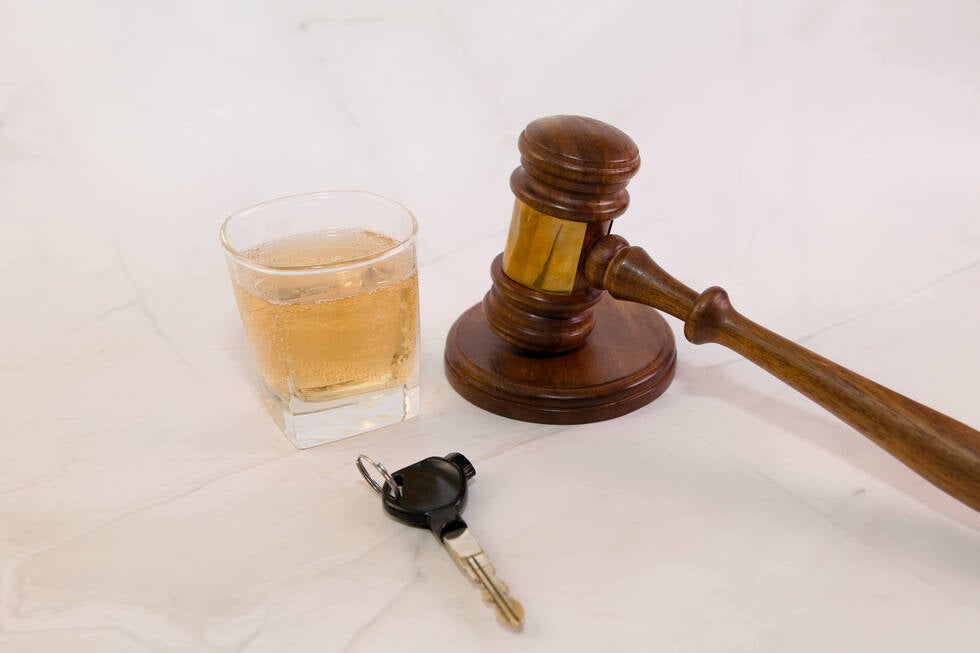
Facing a second DUI in Nevada is a serious legal matter that carries significantly harsher penalties than a first offense. Nevada law treats repeat offenders strictly to protect public safety and deter impaired driving. Anyone facing a DUI charge should understand the full scope of consequences, including jail time, fines, license suspensions, mandatory programs, blood tests, probation conditions, and potential convictions. The state ensures that each case sends a clear message about the risks of impaired driving.
A second DUI affects every aspect of a person's life, from driving privileges to employment, insurance, and personal freedom. Engaging experienced defense attorneys early can help evaluate defenses, navigate the trial process, and comply with required programs while minimizing the impact of the charges. Understanding these factors is essential for anyone facing a second DUI in Nevada.
Legal Classification and Timing
Nevada law classifies a second DUI offense as a misdemeanor if it occurs within seven years of the first DUI. This is codified under NRS 484C.400. The seven-year window is calculated from the date of the first arrest to the date of the new arrest.
Key points:
- A DUI outside the seven-year window is treated as a first offense.
- Both alcohol and drug-related DUI offenses fall under this statute.
- Repeat DUI offenses within a shorter period can increase the severity of penalties and the amount of fines.
- Each defendant may face a condition such as a blood test, participation in a DUI program, or multiple programs.
- Every person charged is affected, and people with prior offenses face stricter consequences.
- Sentencing is determined by prior offender history and the specifics of each case.
This classification affects jail time, fine, condition, license suspension, and required programs.
Mandatory Jail Time
A second DUI in Nevada carries mandatory jail time. According to NRS 484C.400, the minimum jail sentence is 10 days. In some cases, a judge may allow alternative confinement options, especially for first-time jail offenders. Prosecutors and the court office review each case and may provide guidance or information about available alternatives.
Options may include:
- House arrest with electronic monitoring or a breath interlock device
- Residential confinement at a treatment or rehabilitation facility
- A combination of jail and community service instead of additional jail time
Even with alternatives, at least 48 consecutive hours of jail must usually be served. Judges have discretion based on the driver's prior record, BAC, cooperation, and the laws governing DUI offenses. Questions about breathalyzer tests, phone use restrictions, or other conditions can arise during court proceedings. The court may order compliance with rules affecting the car and other ways to monitor the offender. Everything in the DUI process is designed to cause deterrence and uphold public safety.
Fines and Court Costs
Financial consequences are a significant aspect of a second-offense DUI conviction. Nevada law requires:
- Fines ranging from $750 to $1,000
- Court costs associated with legal proceedings
- Fees for DUI school, alcohol evaluation, and treatment programs
Failure to pay fines or fees can result in:
- Additional penalties or extended probation
- Warrants for custody
- Increased court costs and loss of driving privileges
Each driver has the option to consult a defense attorney or DUI lawyer to protect their rights. Consent to specific tests during a traffic stop can affect the courts' decisions. The names of clients are recorded in legal proceedings, and defense attorneys work to minimize penalties, fines, and license suspensions.
Financial responsibility is considered part of the punishment and serves as a deterrent to future offenses. License suspension and ignition interlock devices are often required as part of the sentence.
License Suspension and Ignition Interlock Device
A second DUI results in a one-year driver's license suspension. To regain limited or full driving rights, an individual must comply with Nevada DMV requirements and follow court orders.
Requirements may include:
- Installation of an ignition interlock device (IID) on any vehicle a driver operates, which prevents a vehicle from starting if a breath test shows BAC above the legal limit, helping maintain control and reduce repeat episodes.
- Proof of completion of DUI school and drug or alcohol treatment facility programs.
- Compliance reporting to the DMV and cities throughout the restriction period.
A plea bargain, background check, or documentation of injury from any DUI-related incident may also affect the process, so hiring a DUI Lawyer in Las Vegas is highly recommended.
DUI School, Evaluations, and Victim Impact Panels
Nevada requires second-time DUI drivers to complete educational and evaluative programs:
- DUI school: Educational programs focused on the risks of impaired driving and past DUI episodes.
- Alcohol or drug abuse evaluation: Determines the need for counseling or treatment and identifies steps to prevent future incidents.
- Victim Impact Panel (VIP): A session where offenders hear firsthand accounts from victims of impaired driving, including injuries caused by DUI.
These programs are mandatory. Courts, the prosecutor, or the district attorney oversee compliance. Failing to take required actions can result in extended license suspension, additional fines, or jail time. In some cities or territories, the decision of an authority figure determines further legal consequences.
Probation and Court Conditions
Probation is often part of the sentence for a second DUI. Conditions of probation may include:
- Regular check-ins with a probation officer and attendance at required programs in the city or territory.
- Completion of community service hours and participation in counseling or treatment programs for alcohol or drugs.
- Testing to monitor blood alcohol concentration and ensure compliance with house arrest, curfew, or other restrictions.
- Education on the ability to control drinking and avoid behaviors that can cause harm, including past DUI episodes.
Probation violations can lead to revocation, additional jail time or fines, and extension of license suspension. Judges often impose probation as a step to encourage rehabilitation rather than extended incarceration.
Potential Felony DUI Charges

While most second DUIs are misdemeanors, certain circumstances can elevate the offense to a felony, making it essential to consult Gallo Criminal Defense Las Vegas:
- DUI with a child passenger under age 15 (Category B felony)
- DUI causing serious bodily injury or death (Category B felony)
Felony DUIs carry more severe consequences, including longer prison sentences, higher fines, and a permanent criminal record that can affect employment, housing, and travel. Clients facing such charges should complete the required assessments and classes and may be required to undergo a breathalyzer test to document compliance. DUI cases in different states vary, and issues such as unpaid cost or missed court appearances can result in a warrant. Early legal guidance can significantly improve the chances of a successful dismissal.
DMV Administrative Hearing
After a DUI arrest, the Nevada DMV holds an administrative hearing to decide whether to suspend the driver's license. This is separate from criminal court and may result in a penalty such as restricted driving privileges or license revocation.
Key points:
- Must request a hearing within seven days of arrest
- Can contest license suspension and present evidence
- Limited driving privileges may be granted for work or medical purposes
Failing to attend the DMV hearing can result in automatic license revocation and additional penalties.
Employment and Daily Life Impact
A second DUI affects more than just driving. Possible consequences include:
- Employment restrictions: Jobs requiring driving may be unavailable
- Insurance premiums: Rates typically increase, and some insurers may deny coverage
- Background checks: Criminal record may appear on professional and personal checks
- Travel limitations: International travel can be restricted if a conviction is reported
These impacts demonstrate the lasting effects of a DUI on one's long-term quality of life.
Long-Term Consequences
Beyond immediate legal penalties, a second DUI may lead to:
- Permanent criminal record
- Financial strain from fines, court costs, and higher insurance
- Requirement for long-term treatment or monitoring programs
- Restrictions on housing, loans, and professional licensing
It's important to understand these long-term effects to make informed decisions during the legal process.
Importance of Legal Representation
A second DUI is legally complex. Hiring a skilled Las Vegas Second DUI Lawyer can help:
- Review evidence, including BAC, blood, breath, and field sobriety tests
- Challenge improper procedures or illegal arrests
- Negotiate plea deals to reduce penalties
- Advise on courtroom strategy and DMV hearings
- Protect the defendant's rights throughout the process
Early legal representation can significantly influence the outcome, potentially mitigating jail time, fines, and license suspension.
Conclusion
A second DUI in Nevada carries severe consequences, including mandatory jail, fines, probation, license suspension, DUI programs, and potential felony charges. The legal process can be overwhelming, but understanding the steps, complying with court orders, and hiring a knowledgeable DUI attorney can make a substantial difference.
Key takeaways:
- A second DUI is more serious than a first, even if the circumstances seem minor.
- Immediate action—such as consulting a lawyer and attending a DMV hearing—is crucial.
- Compliance with programs, probation, and ignition interlock device requirements is mandatory.
- Long-term effects include higher insurance rates, a criminal record, and impacts on employment.
Individuals facing a second DUI in Las Vegas should act swiftly and responsibly to protect their rights, driving privileges, and future opportunities.
Frequently Asked Questions
Can a second DUI be expunged or removed from my record in Nevada?
No, Nevada generally does not allow expungement of second DUI convictions. Convictions remain on your criminal record, which can affect your employment, insurance, and travel opportunities.
How does a second DUI affect my child custody or visitation rights?
A second DUI can impact custody decisions, especially if alcohol or drug use is involved. Courts may consider it when evaluating a parent's ability to provide a safe environment.
Are there alternatives to jail, such as community service or home confinement?
Yes, judges may allow alternatives such as house arrest, electronic monitoring, residential treatment programs, or community service; however, at least 48 hours of jail time is usually required.
Does a second DUI impact professional licenses differently from personal driving privileges?
Yes. Specific professional licenses, particularly those that require driving or public safety responsibilities, may be restricted or revoked following a second DUI conviction.
How does a second DUI affect my ability to travel internationally or obtain a passport?
A DUI conviction may appear on background checks for international travel. Some countries may deny entry based on criminal records; however, U.S. passport issuance is usually not affected.
Can prior DUIs from other states count toward Nevada's second DUI classification?
Yes. Nevada law can consider out-of-state DUI convictions when determining second-offense penalties if they occurred within the applicable look-back period (usually seven years).
What happens if I refuse a blood or breath test after a second DUI?
Refusing a test can lead to additional administrative penalties, automatic license suspension, and may be used as evidence in court. Compliance is strongly advised.
Do repeat DUI offenders face higher insurance rates permanently, or just temporarily?
Insurance rates typically increase significantly after a second DUI and may remain high for several years. Some insurers may refuse coverage entirely during this period.
Can participation in treatment or rehab programs reduce sentencing for a second DUI?
Completing court-ordered programs may be factored into sentencing and can demonstrate compliance, but it usually does not eliminate jail time or fines.
Are ignition interlock device requirements mandatory for all second DUI convictions, or only certain cases?
Nevada requires the installation of an ignition interlock device (IID) for all second DUI convictions during the period of license suspension. The IID prevents the vehicle from starting if the BAC is above the legal limit.

Comments
There are no comments for this post. Be the first and Add your Comment below.
Leave a Comment