
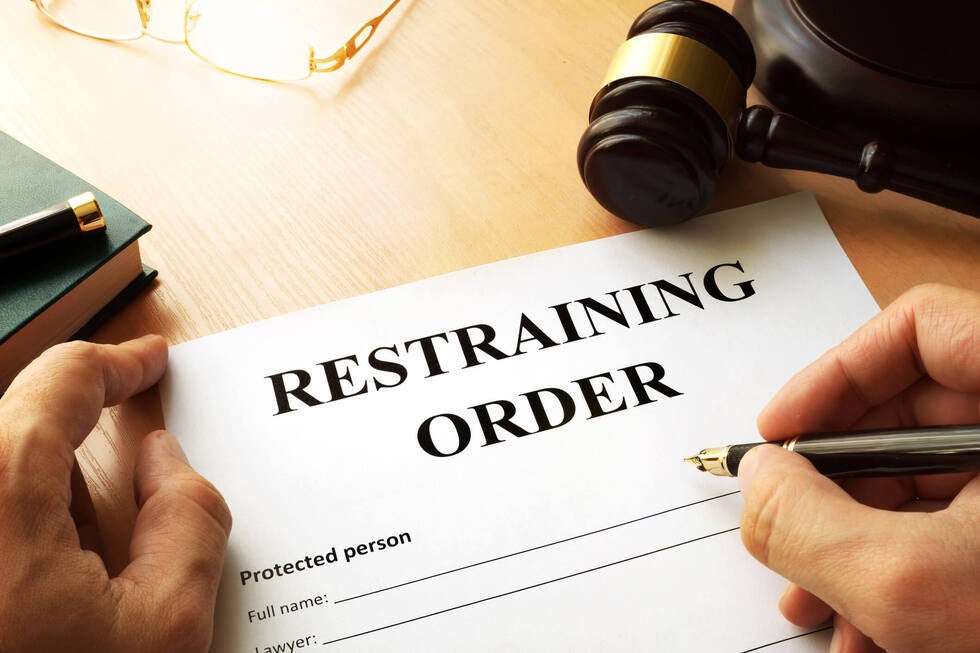
Filing a restraining order in Las Vegas is an important legal protection for anyone facing a serious threat of harm, harassment, or abuse. In Nevada, these orders are often called protection orders or an injunction, and they are designed to restrict the actions of an opposing defendant. To ensure validity, the filing must be made in the correct jurisdiction, which in most cases is the Clark County court system.
Victims can request both temporary and permanent protection depending on their circumstances. The process begins by accessing the proper forms on the Clark County court page, completing the required details, and filing them with the court. After submission, it is essential to keep a copy of all documents for enforcement and future reference. By following these Nevada court procedures, individuals can secure legal protection and safeguard their rights.
Protection Orders in Nevada
In Nevada, what many people commonly call a restraining order is officially referred to as a protection order. This legal directive, issued by a court, prohibits one party from contacting, harassing, threatening, or harming another person. Many people have questions about which form to use, and the court provides a list of options, each serving different purposes depending on the situation. While not a substitute for criminal charges, a protection order creates a legal record that may involve police service for enforcement. Whether protecting one individual or an employer seeking workplace safety, official court sites provide explicit content and resources to help petitioners file correctly and safeguard their rights.
These orders are vital tools for protecting victims who are facing harassment, domestic violence, sexual assault, or stalking. They establish legal boundaries that the adverse party must follow, and violations can result in serious legal consequences.
Nevada law recognizes two main types of protection orders. A Temporary Protection Order (TPO) provides immediate relief and typically lasts up to 45 days. If further protection is needed, victims may request an Extended Protection Order, which requires a hearing before a judge and can last up to one year.
Both orders share the same purpose: to prevent further harm and provide security for those at risk.
Eligibility to File for a Restraining Order
Not everyone in Las Vegas will qualify for a protection order, but Nevada law provides broad protections, as outlined in the relevant state statutes. Many people can request a restraining order if they fear violence, harassment, or ongoing harm from an abuser, and eligibility often depends on the type of crime involved. Those who may file include current or former spouses, dating partners, and cohabitants, as well as family members such as parents, children, siblings, or even extended relatives like cousins. The office handling these filings reviews eligibility based on statutory requirements, and petitioners are encouraged to provide references, documentation, and any available proof, interactive tools as part of their application. There are multiple ways to establish standing, whether through a family tie, domestic relationship, or other qualifying connection, and an attorney can help clarify whether a protective order is the right legal contract for the situation.
Employers may also request orders to protect employees from harassment or threats in the workplace. Additionally, a restraining order may be granted against any person engaged in stalking, intimidation, or ongoing abuse.
By allowing these broad categories, Nevada ensures that both individuals and groups facing threats have access to protection.
Filing a Restraining Order in Clark County
In Las Vegas, restraining orders are filed with the Eighth Judicial District Court in Clark County. This is where residents can obtain the necessary application materials and complete the official protection order forms.
The process involves several necessary steps.
First, the petitioner must obtain the correct forms. These are available both online and at the courthouse. The court provides them in multiple languages beyond English, ensuring that the process is accessible to diverse communities.
Next, the petitioner must complete the petition. This includes detailed information about the adverse party, the relationship between the two parties, and a description of the harmful behavior. Supporting documents such as police reports, text messages, phone records, or copies of prior court orders may also be included.
After the paperwork is prepared, the application is filed with the court. Filing can be done in person or electronically. For those who need assistance, self-help programs and nonprofit resources in Las Vegas can provide valuable advice and instructions.
Once filed, a judge reviews the petition. If the judge finds immediate danger, a Temporary Protection Order may be granted the same day.
Finally, the adverse party must be formally notified. This notice is served by law enforcement or another authorized method. If an Extended Protection Order is requested, both parties attend a hearing, where each side may present evidence with or without an attorney.
Required Information and Supporting Evidence
Strong petitions rely on clear and convincing evidence. The petitioner must provide as much detail as possible.
The court forms require the full name of the adverse party, the nature of the relationship, and descriptions of recent incidents of harassment, abuse, or violence.
Supporting documentation may include police reports, text messages, emails, or social media screenshots. Phone records may also be used to demonstrate ongoing harassment.
If injuries occurred, medical records are robust evidence. Witness statements from someone who observed the abuse can also strengthen the case.
The judge relies heavily on these documents to determine whether immediate protection is necessary.
Costs, Fees, and Available Resources
In most cases involving domestic violence, stalking, or sexual assault, there are no fees to file a restraining order. This ensures that financial barriers do not prevent victims from obtaining safety, and guidance from a Domestic Violence Lawyer in Las Vegas can help clarify which protections apply. However, petitioners may still incur costs for additional copies, certified records, or administrative processing.
Fortunately, there are many resources available in Las Vegas. Self-help programs provide step-by-step guidance. Local nonprofits offer classes for victims and may connect them with volunteer lawyers.
The state also provides hotlines and victim assistance services. For court-related questions, you may call the Las Vegas Township Justice Court at (702) 671-3116. For victim advocacy support, you can contact the Victim Witness Assistance Center for help navigating the legal process and accessing resources.
Role of an Attorney in the Restraining Order Process
Although Nevada allows victims to file on their own, having an attorney can make the difference between success and failure in court.
An experienced lawyer ensures that all forms are accurately completed, deadlines are met, and supporting documents are persuasive. They can also represent victims during the hearing, presenting arguments and cross-examining witnesses.
For defendants, legal representation is equally important. A defense attorney can challenge weak evidence, protect the client's rights, and ensure the procedure is fair.
Matters involving custody, child support, or restrictions on firearms are especially complex and best handled by legal professionals.
At Gallo Criminal Defense Las Vegas, clients receive comprehensive representation designed to safeguard both their safety and their constitutional rights.
Duration and Enforcement of Restraining Orders
A Temporary Protection Order generally lasts up to 45 days. If extended, the order may remain valid for up to one year. These timelines are especially significant in cases involving Domestic Violence Protection Orders, where victims often require continued safety measures beyond the initial emergency relief. Nevada courts recognize the urgency of these cases and provide a transparent process for requesting longer-term protection.
The enforcement of these orders is strict across the state. Violating a restraining order can result in criminal charges, arrest, fines, or jail time. Defendants may also lose the right to possess firearms, and violations can affect custody and child support cases. Because the consequences are so severe, both parties must take the court's decision seriously.
Rights and Responsibilities of Both Parties
The restraining order process in Las Vegas balances the needs of both the petitioner and the adverse party.
Victims have the right to seek safety and request protection in emergencies. They can ask the court to restrict the defendant's contact and enforce compliance through law enforcement.
Defendants also have rights. They may contest the order, present their own evidence, and attend the hearing with an attorney.
Both parties must respect the legal process and follow all court orders once they are issued.
Practical Considerations and Legal Advice

Filing a restraining order can feel overwhelming, but preparation helps. Petitioners should gather all documentation, including notices, copies, and supporting evidence, before filing.
Seeking advice from an attorney or a self-help program can prevent costly mistakes. Petitioners should always keep extra copies of all filed paperwork for their records.
For individuals whose primary language is not English, the court provides translated forms in many languages. This helps make the process easier and ensures accuracy.
Finally, petitioners must remain aware of deadlines for hearings, renewals, and appeals. Missing a step can cause delays or dismissal.
Conclusion on Filing a Restraining Order in Las Vegas
Filing a restraining order in Las Vegas is a structured legal process designed to protect individuals from harassment, violence, and threats. Nevada courts take these matters seriously, providing both temporary and extended protection options.
By gathering strong evidence, completing the necessary forms, and working with an experienced attorney, victims can secure their safety and peace of mind.
At the same time, the process respects the rights of defendants, ensuring fairness and due process in every case.
For those navigating this challenging process, Gallo Criminal Defense Las Vegas provides trusted representation and legal support. With professional guidance, petitioners can obtain the protection they need while ensuring that every step of the procedure is handled correctly.
Frequently Asked Questions
1. Can I file a restraining order in Las Vegas if the person lives in another state?
Yes. If the harassment, threats, or abuse occurred in Nevada—or if the victim resides in Nevada—the court may still have jurisdiction.
2. How quickly can I get a Temporary Protection Order in Las Vegas?
In urgent cases, a judge can review and approve a Temporary Protection Order on the same day the petition is filed.
3. Can a restraining order protect children in Las Vegas?
Yes. Parents or guardians can request protection orders that specifically include their children to prevent contact or harm.
4. Do restraining orders in Nevada show up on background checks?
Yes. Protection orders are part of public records and may appear during employment, housing, or firearm background checks.
5. Can a restraining order be modified or dismissed in Las Vegas?
Yes. Either party may request the court to modify, extend, or terminate the order if circumstances change.
6. Is a restraining order from another state valid in Nevada?
Yes. Under federal law (Full Faith and Credit Clause), Nevada enforces valid protection orders issued in other states.
7. Can I request a restraining order without notifying the other person?
Yes, but only temporarily. The court may issue an emergency or temporary order without notice, but the adverse party must be served before any extended order is granted.
8. What happens if the restrained person contacts me anyway?
Any violation should be immediately reported to law enforcement. Police can arrest the violator, and prosecutors may pursue criminal charges.
9. Do I need to appear in court for a restraining order hearing?
For Temporary Protection Orders, you may not need a hearing unless the judge requires clarification. For Extended Protection Orders, both parties must attend a court hearing.
10. What if I accidentally contact the person I filed against?
The order primarily restricts the defendant, but victims should also avoid unnecessary contact. Repeated voluntary contact may weaken the case or result in dismissal.

Comments
There are no comments for this post. Be the first and Add your Comment below.
Leave a Comment